Pipe Bursting Sewer Replacement Parma, OH
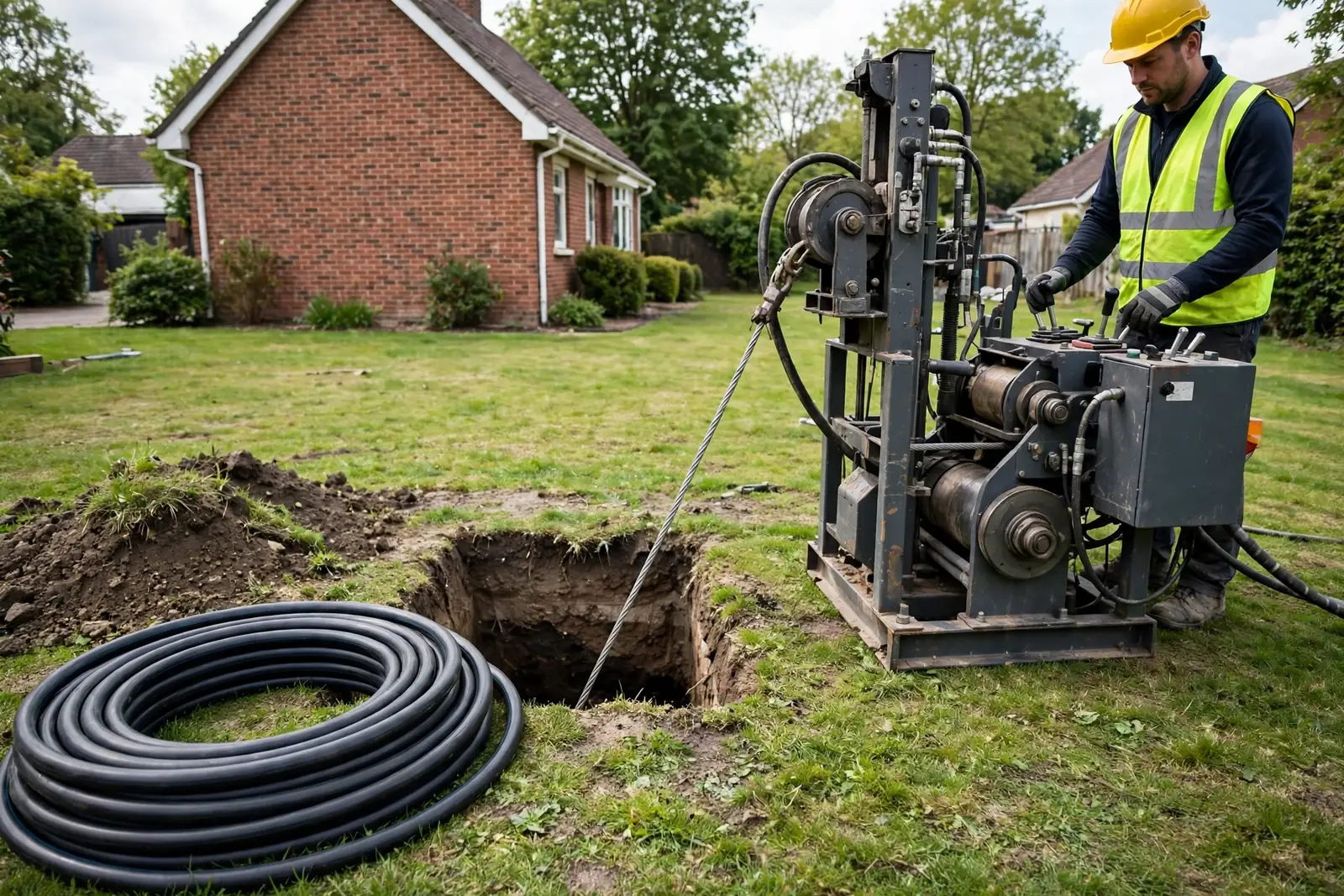
Pipe bursting replaces a failed lateral by breaking the old pipe outward underground and pulling a new pipe into the same path — through two small pits, not a trench.
Need help with your sewer line?
Call Now to reach a local sewer professional. Describe the problem, where it is, and what the line has been doing.
Hours: Mon–Fri 7:00 AM–10:00 PM ET · Sat 8:00 AM–10:00 PM ET · Sun 7:00 AM–9:00 PM ET
What this service does
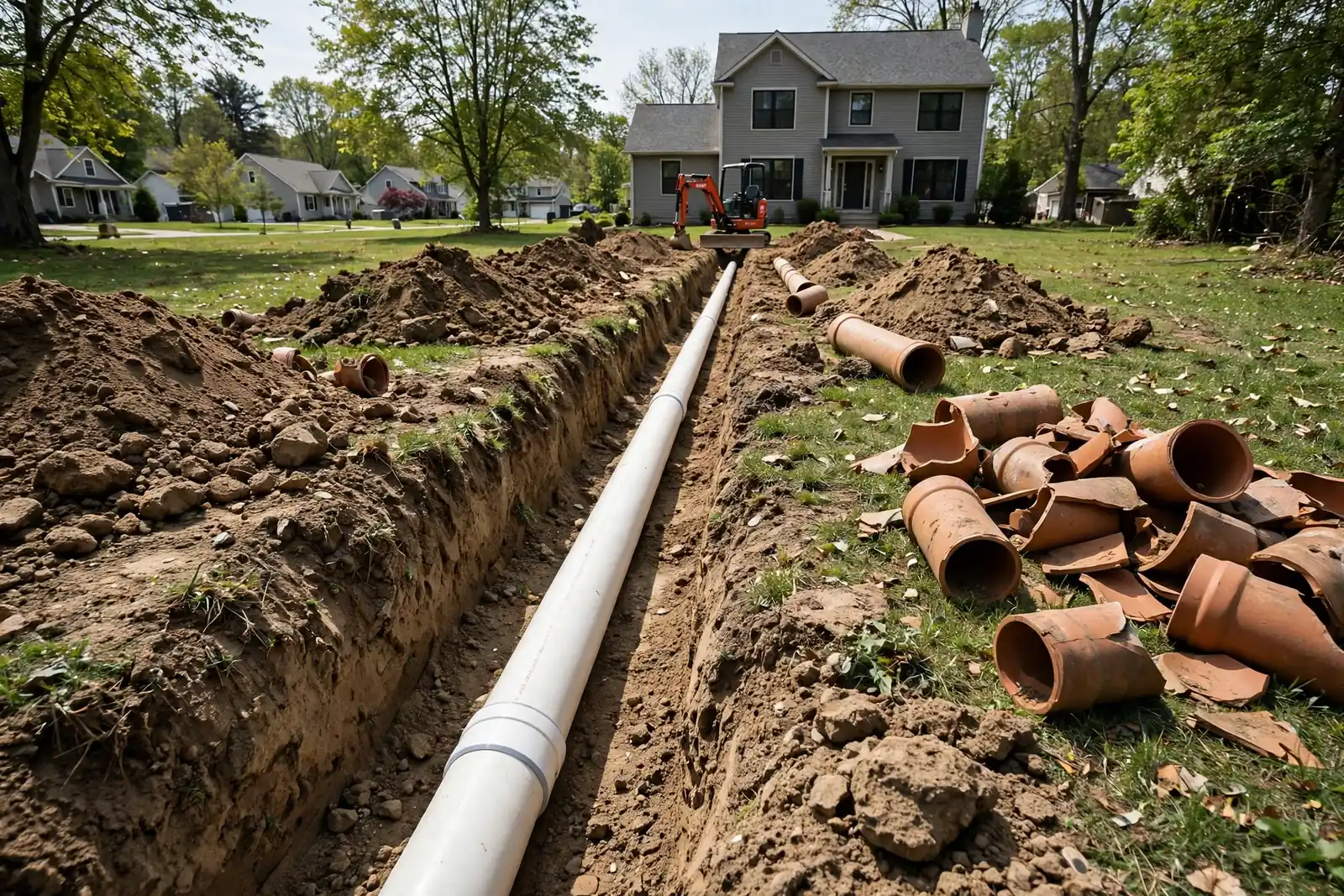
Pipe bursting is the trenchless method that replaces the pipe entirely. A bursting head is pulled through the old line, breaking the old pipe outward into the surrounding soil, while a new pipe — usually HDPE or PVC — follows directly behind it into the space the head opens. The old pipe never has to be dug out, and the new pipe can be the same diameter as the old one, or larger.
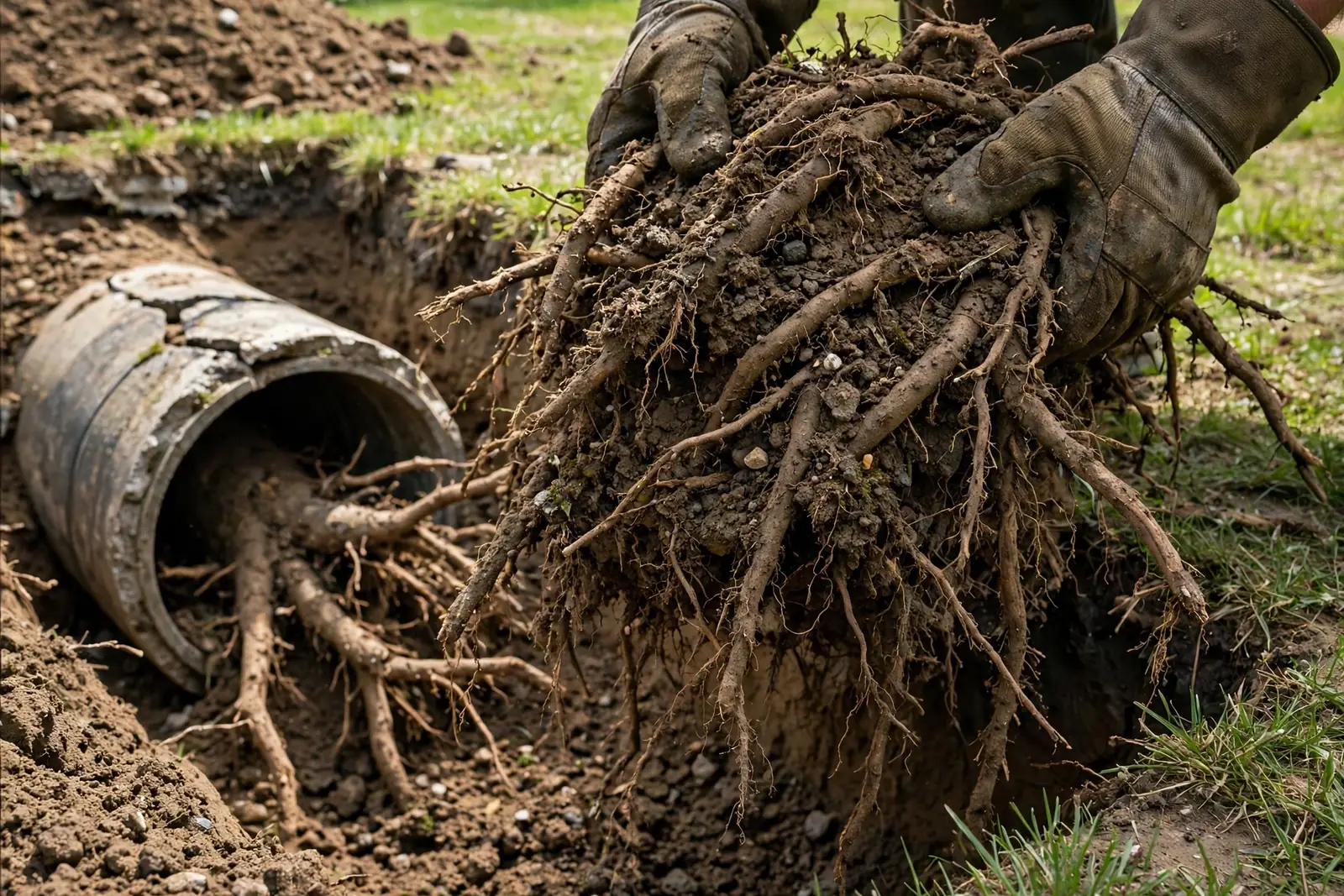
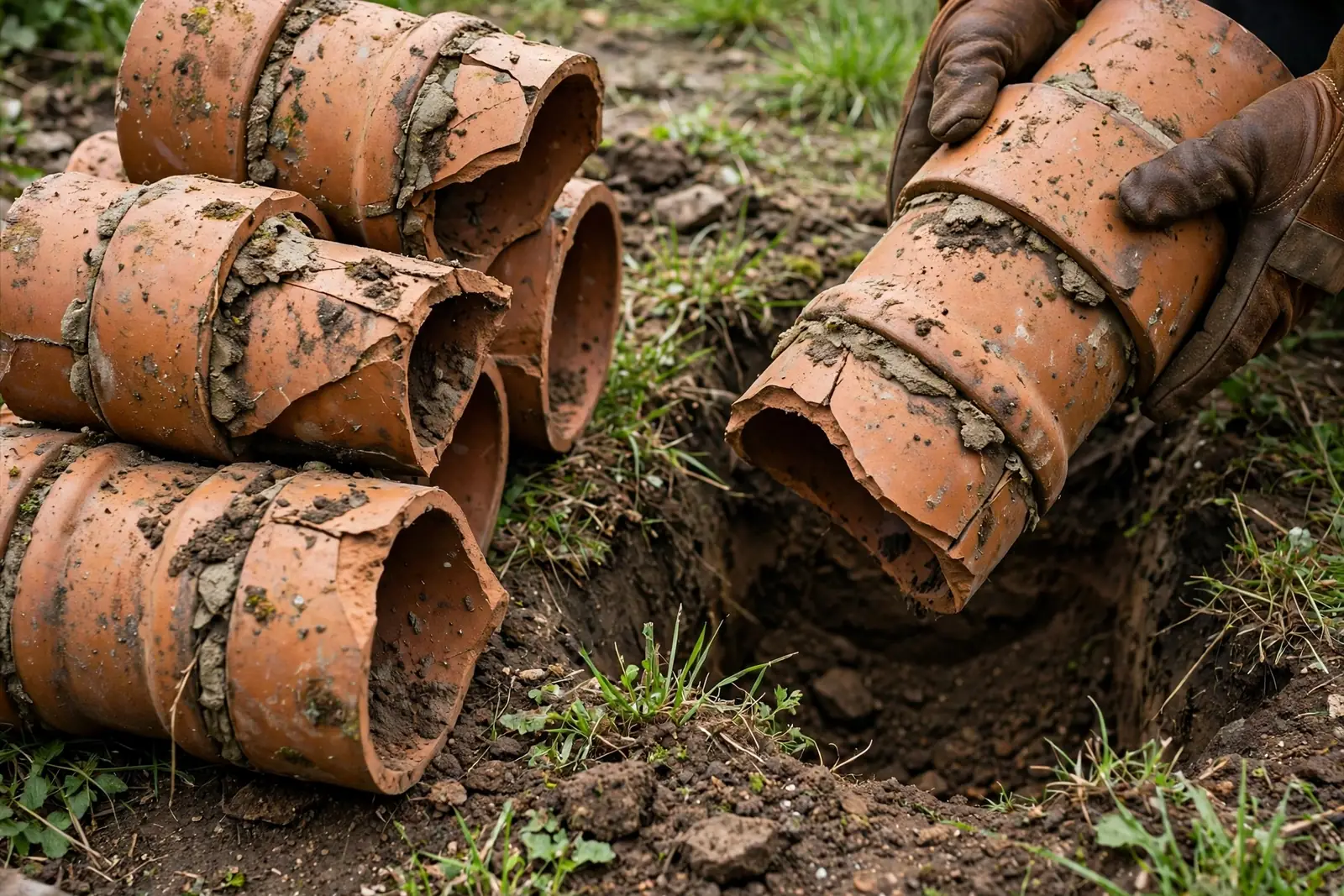
The method fits Parma's laterals well. The city's clay tile and cast iron lines from the 1950s and 1960s are brittle, which is exactly what bursting needs: the head breaks the old pipe cleanly as it passes. A line that is badly damaged, undersized, or so root-filled that a liner could not be pulled through is often a bursting job rather than a lining job.
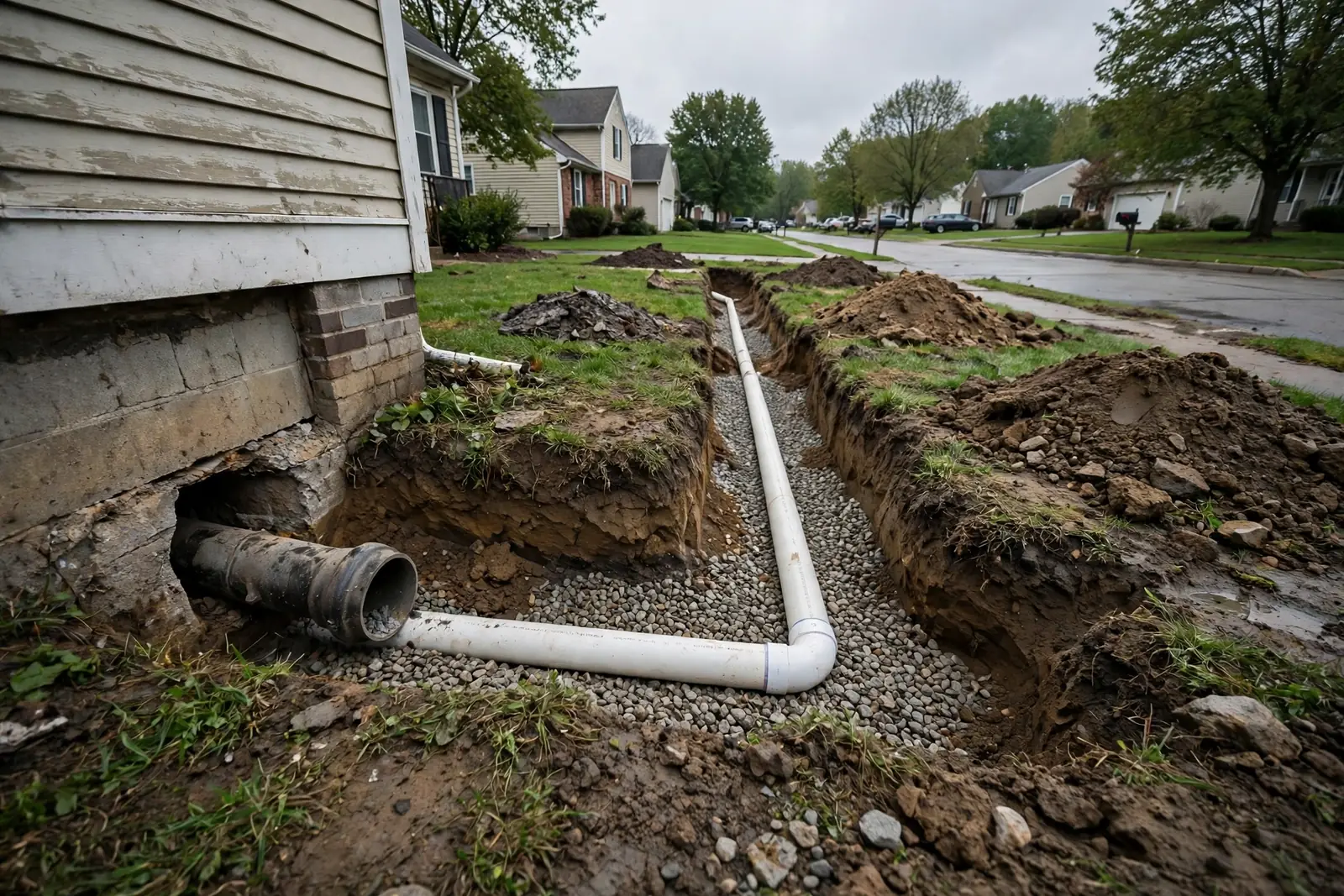
Bursting needs two small pits: a launch pit at one end of the line and a receiving pit at the other. The ground between them is not opened. That is the whole point of the method — the lawn, the driveway, and the walkway above the line stay in place, and the work happens underground between the two pits.
Before you call
- Stop using water if the line is backing up.
- Keep people and pets away from any wastewater.
- Note which drains are slow, and which one backs up first.
- Note whether the problem happens in heavy rain, or all the time.
- Have the age of the home ready, if you know it.
How pipe bursting works
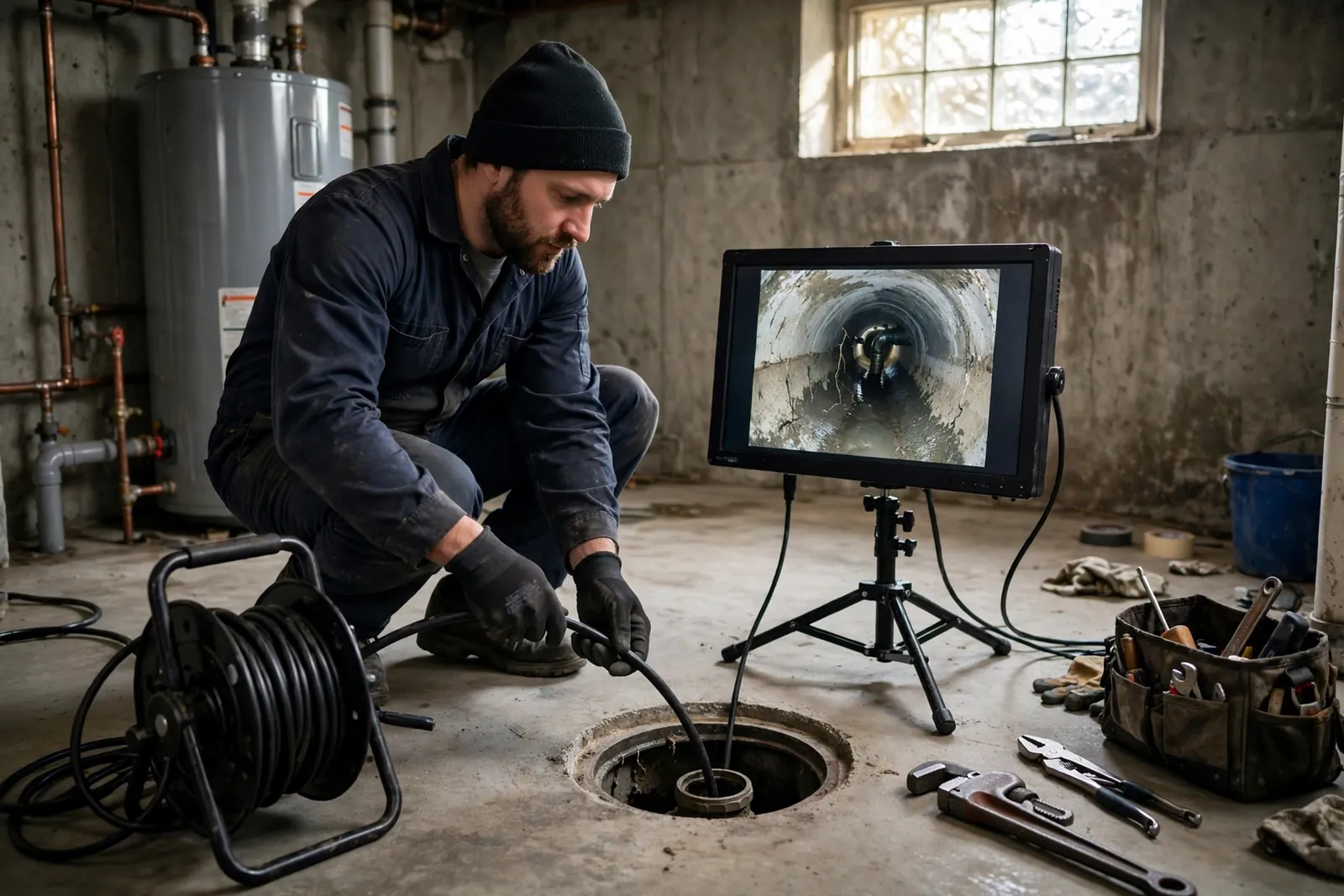
The job starts with a camera inspection. The camera shows the pipe material, the depth, the length, the joints, and the damage — and, most importantly, whether the line is passable. A bursting head has to travel the full length of the line, so a line that has collapsed flat, or one with a sharp sideways offset, cannot be burst. The inspection is what decides.
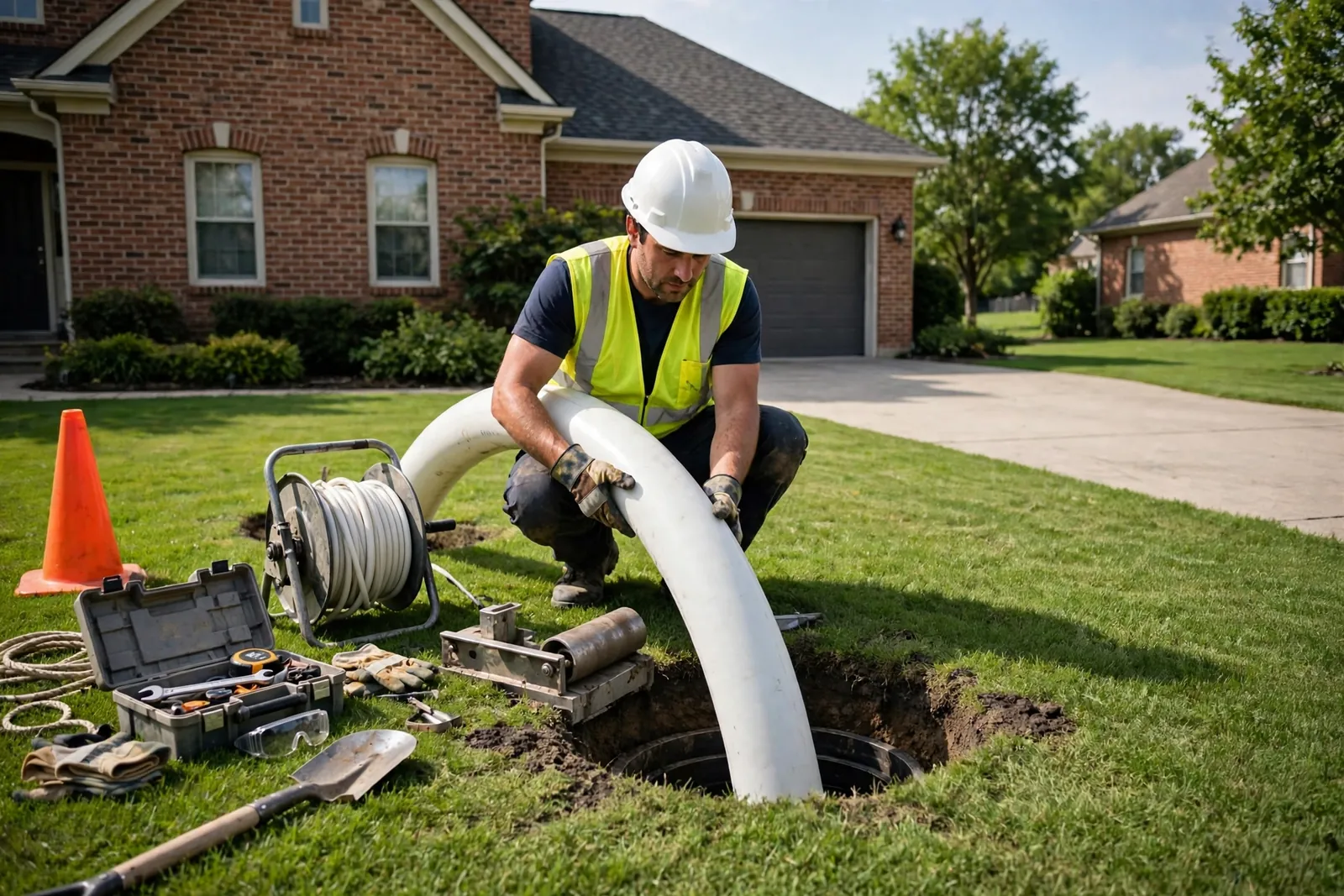
Next, the crew digs the launch pit and the receiving pit, usually one near the house and one near the street main. A steel cable or rod is threaded through the old pipe from one pit to the other. The bursting head and the new pipe are attached to the cable at the launch pit, and a pulling machine at the receiving pit draws the head through the line.
As the head moves, it breaks the old pipe outward into the soil and pulls the new pipe into the space behind it. The new pipe is continuous — no joints along the run — with sealed connections at the house and at the street main. When the head reaches the receiving pit, the new pipe is connected, sealed, and camera-checked end to end.
What the service includes
Camera inspection and measurement
The line is camera-inspected and measured end to end, confirming it is passable and giving the length, diameter, and depth the bursting plan is built from.
Launch and receiving pits
Two small pits are dug — one near the house, one near the street main. The ground between them is not opened.
Bursting head and new pipe
The head breaks the old pipe outward while the new pipe follows in the same path, the same size as the old line or larger.
House and street connections
The new pipe is connected at the house and at the street main, and both connections are sealed and checked.
Upsizing where needed
Where the old line was undersized for the home, bursting can pull in a larger pipe in the same path — something lining cannot do.
Final camera check
The finished line is camera-checked from end to end, confirming the new pipe is clear, continuous, and flowing with the correct fall.
How the work runs
Call and describe the problem
Repeat backups, slow drains, or a camera report — and whether the line runs under a driveway, a patio, or mature trees.
Camera inspection
The camera maps the line and confirms it is passable — the step that decides whether bursting fits at all.
Locate and dig the pits
The line is located and marked, and the launch and receiving pits are dug at the two ends of the run.
Thread the cable
A steel cable or rod is threaded through the old pipe from one pit to the other, and the bursting head and new pipe are attached.
Pull the burst
The pulling machine draws the head through the line, breaking the old pipe outward and pulling the new pipe into its place.
Connect and check
Both ends are connected and sealed, the new line is camera-checked, and the pits are backfilled and graded.
Tools and methods used
Pipe bursting rig
The pulling machine draws the bursting head and the new pipe through the old line, with the force to break clay and cast iron outward.
Bursting head
The cone-shaped head breaks the old pipe outward as it passes, opening the path for the new pipe that follows it.
Sewer camera with locator
The camera confirms the line is passable before bursting, and checks the finished line afterwards. The locator marks the path and depth on the surface.
Mini excavator
A compact excavator digs the launch and receiving pits in a residential yard, sized for the narrow side yards common in Parma.
Bursting vs lining: which one fits
Pipe bursting and lining are both trenchless, but they solve different problems. Bursting replaces the pipe entirely — the old pipe is broken outward and a new pipe takes its place, the same size or larger. It fits a line that is badly damaged, undersized, or so root-filled that a liner could not be pulled through cleanly.
Lining renews the inside of a pipe that is still roughly round and continuous. The liner has no joints, so roots have no seams to enter, and its smooth interior resists buildup. But the liner follows the shape of the old pipe, so it cannot fix a bad belly or a sharp offset, and it reduces the inside diameter slightly.
The camera inspection decides between them. A line with a collapse or a severe offset goes to bursting or to a trench. A line that is damaged but still holds its shape goes to lining. The crew explains what the camera found and which method fits, before any digging starts.
What can go wrong with bursting
Bursting is a proven method, but it has limits, and a good crew talks about them before the work starts. A line that has collapsed flat will stop the bursting head. A sharp sideways offset — where one section has shifted away from the next — will do the same. A line that runs very close to another utility can be a problem, because the head displaces soil outward as it passes.
That is why the locate matters as much as the camera. The line's path is marked, and other utilities are located before the burst is pulled. A line that passes close to a gas or water service is handled with care, and the crew explains the plan before the work begins.
A burst that is planned from a camera inspection and a proper locate is a routine job. A burst attempted without them is a gamble. The inspection and the locate are not optional steps — they are the steps that keep a trenchless job from becoming a failed trenchless job.
What pipe bursting needs to work
Pipe bursting needs two things to work: a path and room to work. The path is the old line itself — the bursting head follows it from the entry pit to the exit pit, breaking the old pipe outward as the new pipe is pulled in behind it. If the old line has collapsed flat, there is no path, and the head cannot follow the run. The camera inspection shows whether the path is open before the work starts.
Room to work means access pits at both ends of the run. The entry pit holds the bursting rig, and the exit pit is where the new pipe emerges. Each pit is small compared with an open trench, but each one still needs clear ground — no driveway slab, no mature tree, no structure directly above the pit. The crew locates the line and marks the pit positions before digging, so the pits land on the line and not beside it.
Bursting can also upsize the line: the new pipe can be a size larger than the old one, because the bursting head opens a wider path than the old pipe occupied. That is useful when the old line was undersized for the house. What bursting cannot do is fix a belly. The new pipe follows the path of the old one, so a low section stays low. A line with a severe belly needs the failed section dug up and re-laid at the correct slope, not burst.
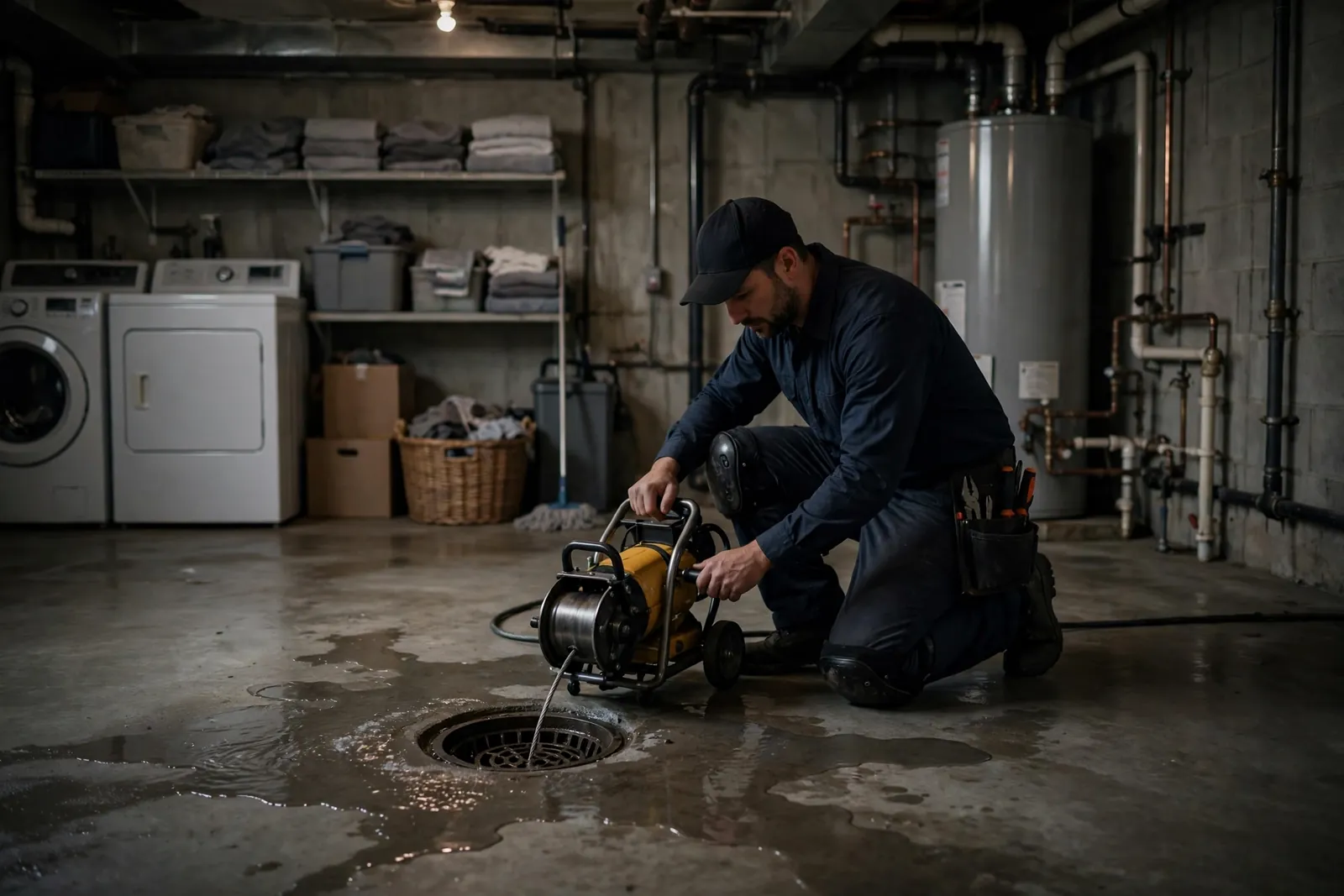
A failed line under a finished yard
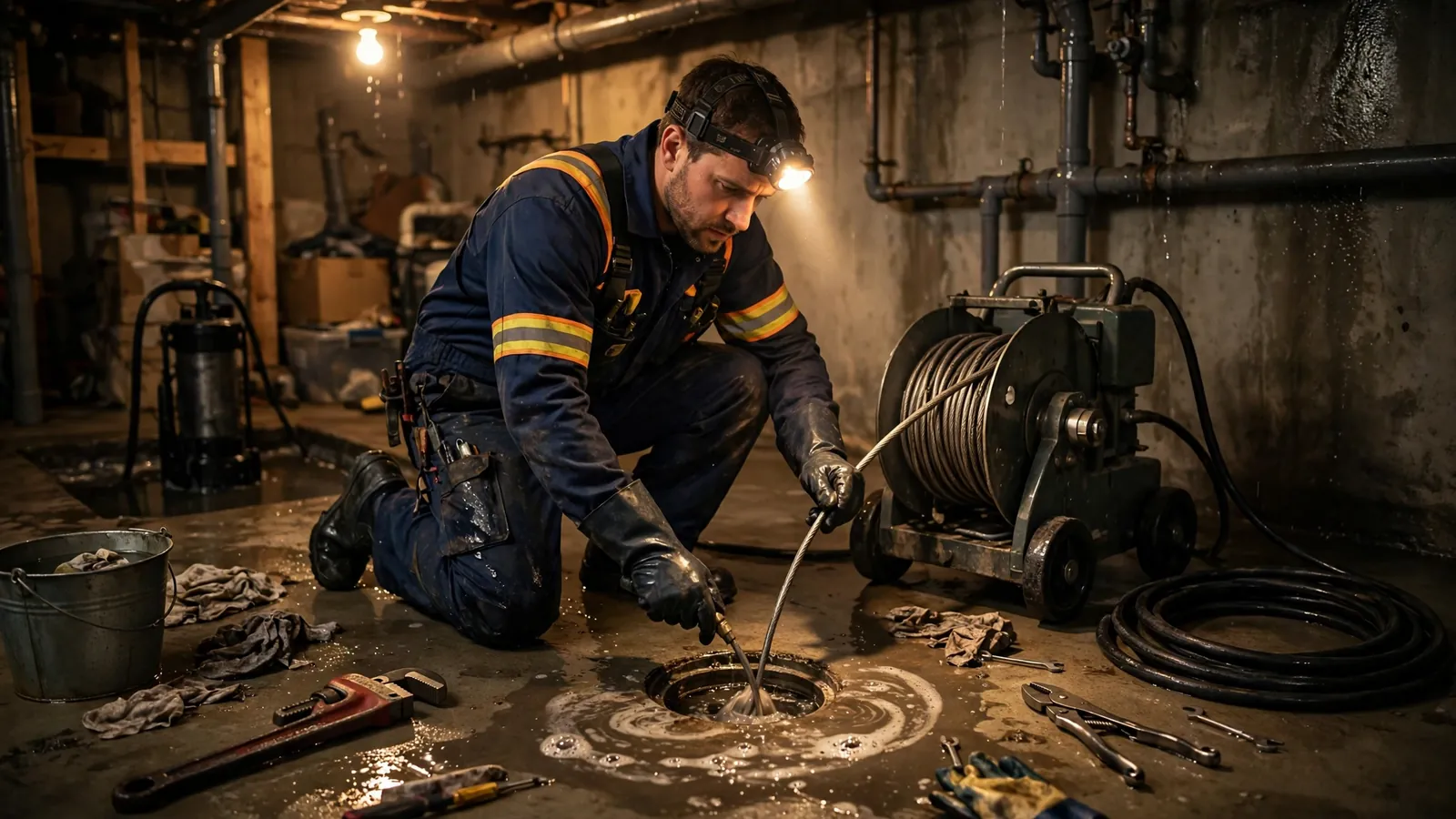
A lateral that keeps backing up will not heal — the water keeps coming back through the lowest drain in the house.
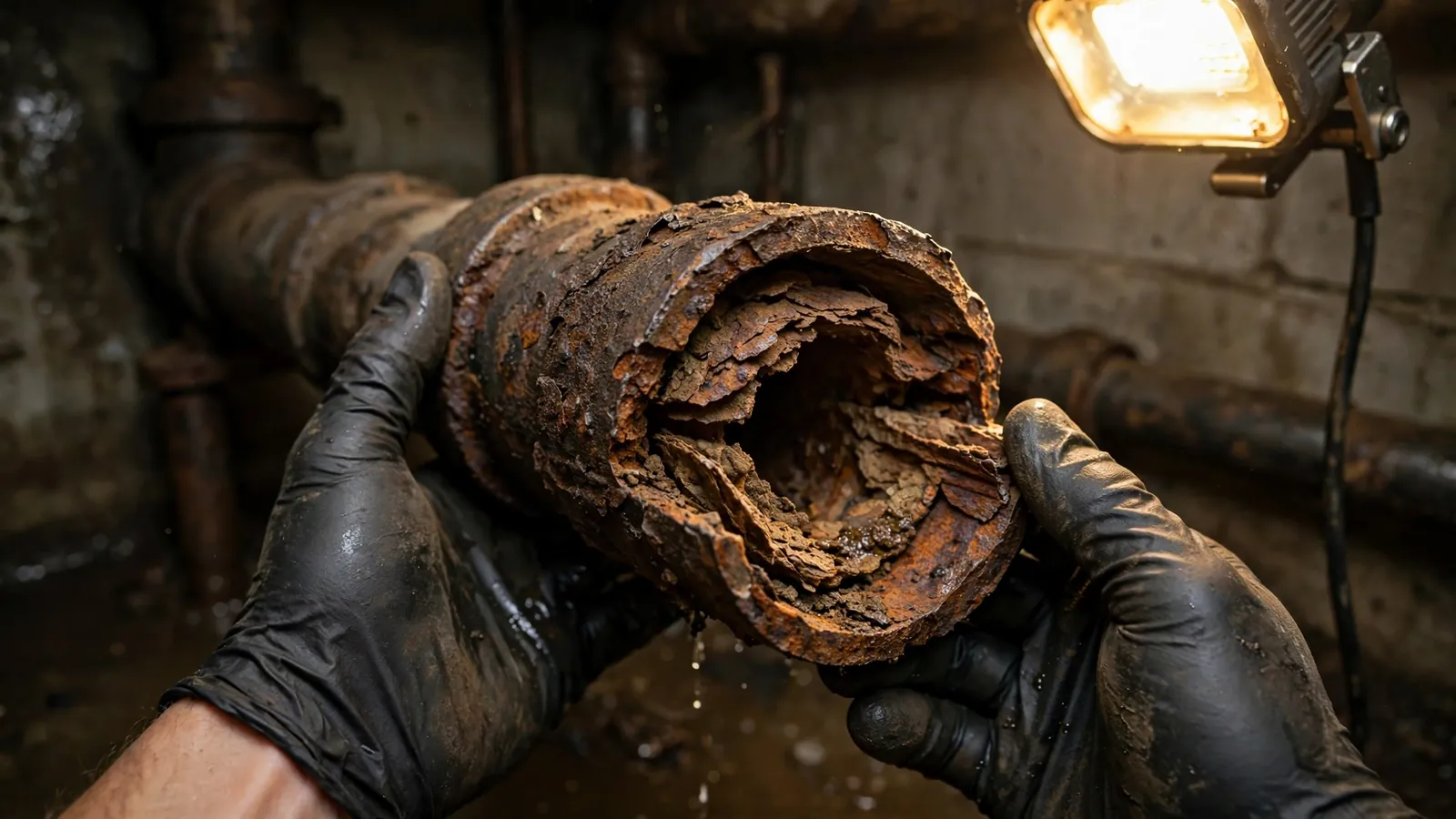
A full new pipe in the same path
The work is checked with a camera, not a look at the surface — the new line is seen end to end before the job is called done.
Problems pipe bursting solves
- A clay tile lateral with roots at many joints, where cleaning only buys months.
- A cast iron line corroded and narrowed along its length.
- A lateral that is undersized for the home it serves.
- A line that runs under a driveway or patio, where a trench would mean demolition.
- A lateral with separated joints and collapsed sections that lining cannot fix.
- Repeat backups from a line that is damaged along its whole length.
Signs pipe bursting may fit your line
- A camera inspection shows the line is badly damaged but still passable.
- The old line is clay tile or cast iron from the 1950s or 1960s.
- The line is undersized for the home and needs a larger pipe.
- The lateral runs under a driveway, a patio, or mature trees.
- The line has failed at many joints, and lining cannot save it.
- The homeowner wants a full new pipe without a trench across the yard.
- The line is long, and restoring a full trench would be a job in itself.
- A previous cleaning cleared the line, but the problem came back within months.
Related problems
Tree Root Intrusion · Collapsed Sewer Line · Cracked Sewer Pipe
Industries that use this service
Single-Family Homes · Commercial Properties · All industries →
Frequently asked questions
Questions people ask about pipe bursting sewer replacement, answered plainly.
No. The line has to be passable — the bursting head has to travel its full length. A line that has collapsed flat, or one with a sharp sideways offset, cannot be burst. The camera inspection decides, and a line that cannot be burst may need a trench for part or all of the run.
Yes. The bursting head opens a path larger than the old pipe, so the new pipe can be the same size or larger. That is one of the differences from lining, which always makes the inside diameter slightly smaller.
The work happens between two small pits, so the surface above the line is not opened. The pits are placed on either side of a driveway or walkway, and they are backfilled and graded when the work is done.
Most residential bursting jobs are measured in days. The camera inspection and the locate come first, then the pits are dug and the burst is pulled. A long or deep line takes longer than a short, shallow one.
Yes. Cast iron is brittle enough to break outward as the bursting head passes. The camera inspection first confirms the line is passable and no section has collapsed flat.
The old pipe is broken outward into the surrounding soil as the head passes, and it stays underground. The new pipe takes its place in the same path. Nothing has to be dug out or hauled away.
It depends on the belly. Bursting follows the path of the old pipe, so a mild belly may remain as a low spot in the new line. A deep belly is a problem with the fall of the line, and that section usually needs a trench to re-grade it.
Work that connects to the street main and work in the public right-of-way follows the city's rules, and permits are part of that process. The crew handling the job deals with the permit side before work starts.
Sewer line trouble in your Parma home?
Call Now to reach a local sewer professional. Describe the problem, where it is, and what the line has been doing.
Call now for sewer line help
Tap Call Now to reach a local sewer professional. Tell them where the problem is, what the line has been doing, and whether wastewater is coming into the home.
Hours: Mon–Fri 7:00 AM–10:00 PM ET · Sat 8:00 AM–10:00 PM ET · Sun 7:00 AM–9:00 PM ET
Before you call
- Stop using water if the line is backing up.
- Keep people and pets away from any wastewater.
- Note which drains are slow, and which one backs up first.
- Note whether the problem happens in heavy rain, or all the time.
- Have the age of the home ready, if you know it.