Sewer Line Replacement for Rental Properties in Parma, OH
A sewer problem in a rental has three parties — a tenant living with the water, a landlord who owns the building, and sometimes a manager in between. Here is how the work is handled.
Need help with your sewer line?
Call Now to reach a local sewer professional. Describe the problem, where it is, and what the line has been doing.
Hours: Mon–Fri 7:00 AM–10:00 PM ET · Sat 8:00 AM–10:00 PM ET · Sun 7:00 AM–9:00 PM ET
Who calls, and who decides
A sewer backup in a rental is urgent for the tenant, who is living with the water, and a problem for the landlord, who owns the lateral. The tenant is usually the one who finds the backup — wastewater coming up through the basement floor drain, or several drains slowing at once — and the tenant is the one who calls the landlord or the manager first. The landlord or manager then calls for help, and the work is authorised by the owner.
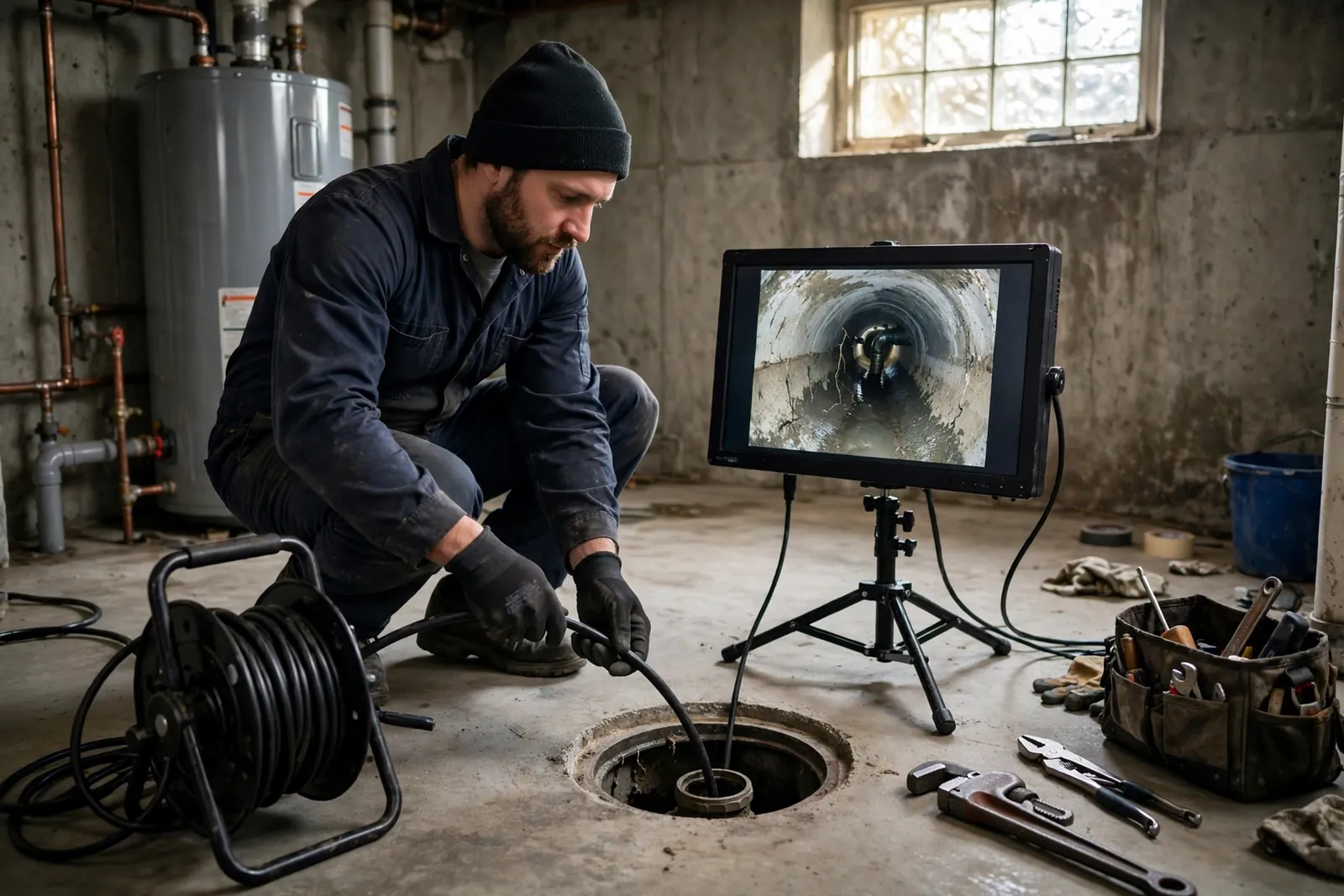
The lateral is the landlord's responsibility, not the tenant's. In most Ohio cities, the homeowner — the landlord — is responsible for the lateral from the house to the street main, including the connection at the main. The tenant is responsible for what goes down the drains: nothing that does not belong there, and no grease, wipes, or foreign objects that block the line. A backup caused by what was flushed is a different conversation from a backup caused by a failed pipe — and the camera inspection is what separates them.
The decision about the fix belongs to the owner, made with the camera findings in front of them. A spot repair, lining, bursting, or a full replacement — each is a different job, and the owner decides from the evidence. The tenant's job is to report the problem promptly, stop using water while the line is backing up, and keep away from the wastewater.
What to do first in a rental backup
The tenant's first steps are the same as any homeowner's: stop using water in the house, keep people and pets away from the wastewater, and call the landlord or manager. Every flush, every shower, every load of laundry adds water to a line that cannot take it, and the backup will keep rising as long as water is being used. If the water is near electrical outlets or appliances, stay out of the room entirely.
The landlord or manager then calls for help and describes the backup — where the water is coming in, how much there is, and whether it is still rising. A backup in progress is handled as an urgent call, and the first job is to clear the line and restore flow, so the tenant can use the house again. The lasting fix comes after the camera inspection, which shows whether the line needs a spot repair, lining, bursting, or a full replacement.
Access matters in a rental. The crew needs to get into the house to reach the cleanout or the lowest drain, and the tenant or the manager has to let them in. The appointment is arranged through the landlord or manager, and the tenant is told when the crew is coming and what to expect — including the pause in water use while the line is open.
How the work differs in a rental
The work itself is the same as at a single-family home: a camera inspection, the method chosen from the findings, and a new line laid with the correct slope to the street main. What differs is the coordination. The crew works around the tenant's schedule, and the tenant is told when the water will be off and for how long. The landlord or manager is kept informed at each step — the camera findings, the options, and the schedule — so the decision is made with the full picture.
The documentation matters more in a rental. The camera footage and the written findings are the record of the line's condition, and they are useful for the landlord, for the insurer, and for the tenant if there is a question about what caused the backup. The photos of the water and the damage, taken before anything is cleaned, are part of that record too. Keep them.
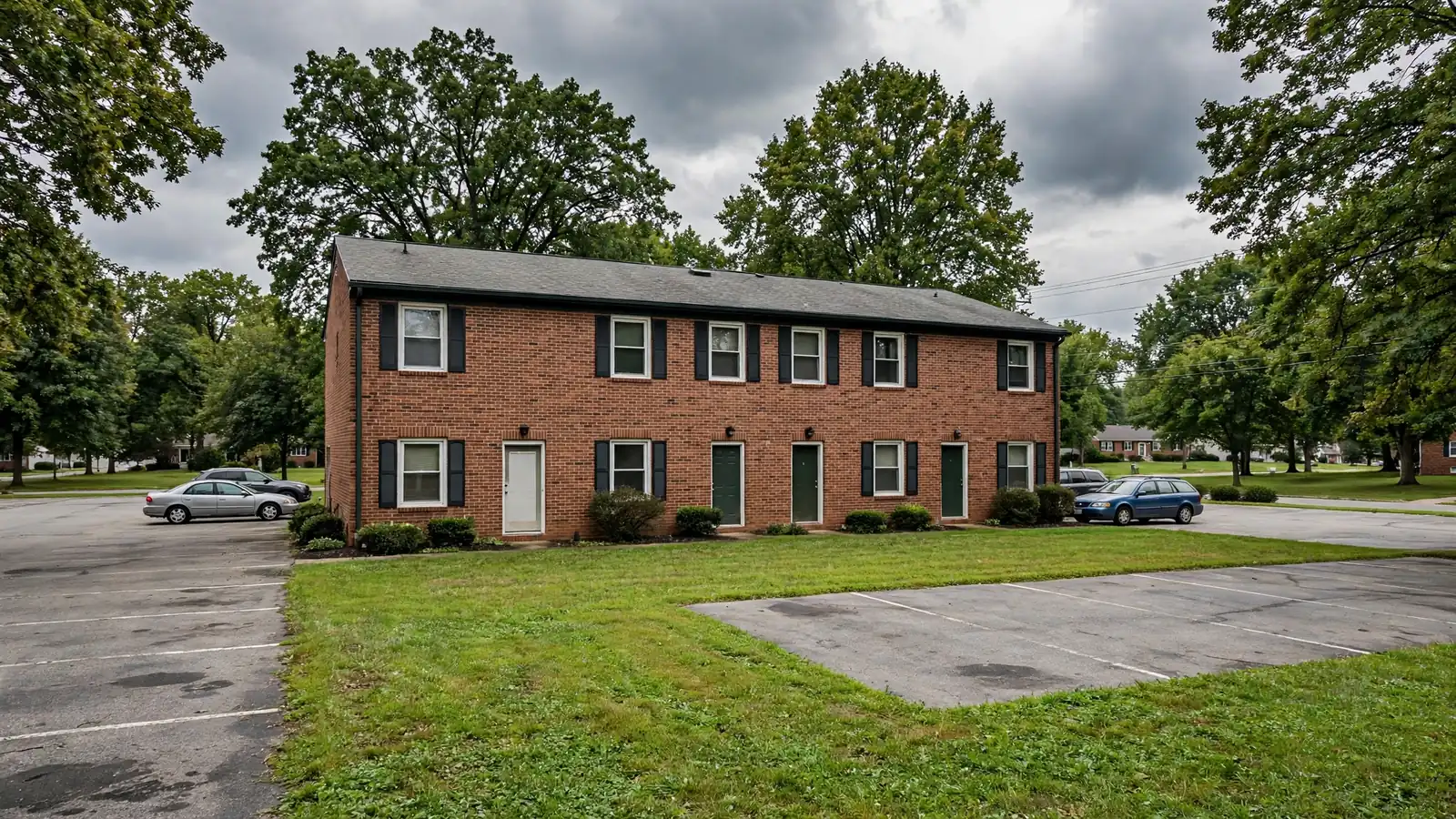
Multi-unit rentals add a further difference. A duplex or a small apartment building has more than one household sharing a lateral, and a backup can affect more than one unit. The camera inspection shows whether the problem is in the shared lateral or in one unit's drain, and the work is planned accordingly. The coordination — access to each unit, water off for all of them — is arranged through the landlord or manager.
Landlord responsibilities in Parma
The landlord owns the lateral, and the landlord is responsible for keeping it in working order. That means the lateral itself — the pipe from the house to the street main — and the connection at the main. A lateral that fails because it is old, root-filled, or collapsed is the landlord's repair, not the tenant's. The tenant's responsibility is what goes down the drains.
Parma's rental stock is much like its owner-occupied stock: postwar homes with clay tile and cast iron laterals, now past the age clay tile was made to last. A landlord with a rental built in the 1950s or 1960s should know the condition of the lateral before the tenant finds out — a camera inspection every few years shows the line while it is still working, and a pre-purchase inspection shows it before the property is bought.
A landlord who has had a lateral replaced should keep the camera footage of the finished line. It is the record of the job, and it is useful for the next tenant, for the insurer, and for any later work on the line. A lateral that has been inspected and documented is a known quantity; a lateral that has not been inspected is a guess — and the guess is usually discovered during a backup.
Tenants: what to report, and what not to flush
Report a problem promptly. Slow drains, a gurgling toilet, a sewer smell, or a basement floor drain that backs up — each is a sign the lateral is failing, and each is worth reporting to the landlord or manager as soon as it appears. A problem reported early is a camera inspection; a problem reported late is a backup.
Do not flush wipes, even those labelled flushable, and do not pour grease down the drain. Wipes do not break down the way paper does, and they catch in the line — especially in an old clay lateral with rough joints. Grease hardens in the pipe and narrows it. Both are common causes of a blockage in a rental, and both are avoidable.
Do not use a chemical drain cleaner on a main-line problem. It will not clear a lateral blockage, and it can make the work harder and less safe for the crew. Stop using water, keep away from the backup, and call the landlord or manager. The line is the landlord's responsibility, and the crew is the landlord's call.
Who pays when the lateral fails
When a lateral fails at a rental property, the owner pays for the repair. The lateral is part of the building's infrastructure, like the roof or the foundation, and its condition is the owner's responsibility. A tenant who reports a backup has done their part; the owner arranges the inspection and the work. A lease that tries to shift lateral repairs to the tenant is unusual, and the practical reality is that the owner is the one who has to act.
Communication is where rental jobs most often go wrong. The tenant is the one living with the backup, the owner is the one paying for the work, and the crew needs access to the property. All three have to be in contact, and the owner or the manager is usually the one who coordinates. A tenant who is not told when the crew is coming cannot let them in, and a crew that cannot get in cannot do the work.
Timing matters more at a rental than at an owner-occupied home, because the property has to stay habitable. A backup that leaves a unit without working drains is an urgent problem, and the emergency call comes first. The permanent fix follows from the camera findings, and the owner should keep the full record — the date of the backup, the findings, the scope of the work — because the same lateral will be the subject of the next tenant's questions, and the record answers them.
Services for rental properties
Where we work
Services used most
Sewer Line Replacement · Emergency Sewer Line Repair · Sewer Backup Repair · Sewer Camera Inspection
Related guides
Sewer Backup in Basement: First Steps · Signs You Need Sewer Line Replacement · Tree Roots in Sewer Line: What to Do
Related problems
Tree Root Intrusion · Collapsed Sewer Line · Sewer Odors in Home
Frequently asked questions
Questions people ask about sewer lines in rental properties, answered plainly.
The landlord is responsible for the lateral from the house to the street main, including the connection at the main. The tenant is responsible for what goes down the drains. A camera inspection shows whether a backup was caused by a failed pipe or by what was flushed.
Stop using water, keep people and pets away from the wastewater, and call the landlord or manager. A backup in progress is handled as an urgent call, and the first job is to clear the line and restore flow.
Access is arranged through the landlord or manager, and the tenant is told when the crew is coming. The crew needs to reach the cleanout or the lowest drain, and the water will be off while the line is open.
It depends on what the camera found. A one-off blockage may only need clearing. A collapse, a bad belly, or roots through many joints means a repair or a replacement. The camera findings decide, and the owner decides from the evidence.
Yes — it is one of the most useful inspections a buyer can order in Parma. Many rentals still have their original clay tile laterals, and a lateral at the end of its life may show no symptom until it backs up.
Wipes, even those labelled flushable, and grease. Wipes do not break down the way paper does, and they catch in an old clay lateral. Grease hardens in the pipe and narrows it. Both are common causes of a blockage in a rental.
Sewer line trouble in your Parma home or business?
Call Now to reach a local sewer professional. Describe the problem, where it is, and what the line has been doing.
Call now for sewer line help
Tap Call Now to reach a local sewer professional. Tell them where the problem is, what the line has been doing, and whether wastewater is coming into the home.
Hours: Mon–Fri 7:00 AM–10:00 PM ET · Sat 8:00 AM–10:00 PM ET · Sun 7:00 AM–9:00 PM ET
Before you call
- Stop using water if the line is backing up.
- Keep people and pets away from any wastewater.
- Note which drains are slow, and which one backs up first.
- Note whether the problem happens in heavy rain, or all the time.
- Have the age of the home ready, if you know it.