The short version
Problem: Roots enter through joints that have already opened. Cutting them clears the line, but they grow back through the same joint.
What to do: A camera inspection shows how many joints are involved — one joint is a spot repair, many joints mean a larger fix.
When to call: Call Now if the line is backing up, or have it camera-inspected to see the full picture.
Why Parma's trees and sewers collide
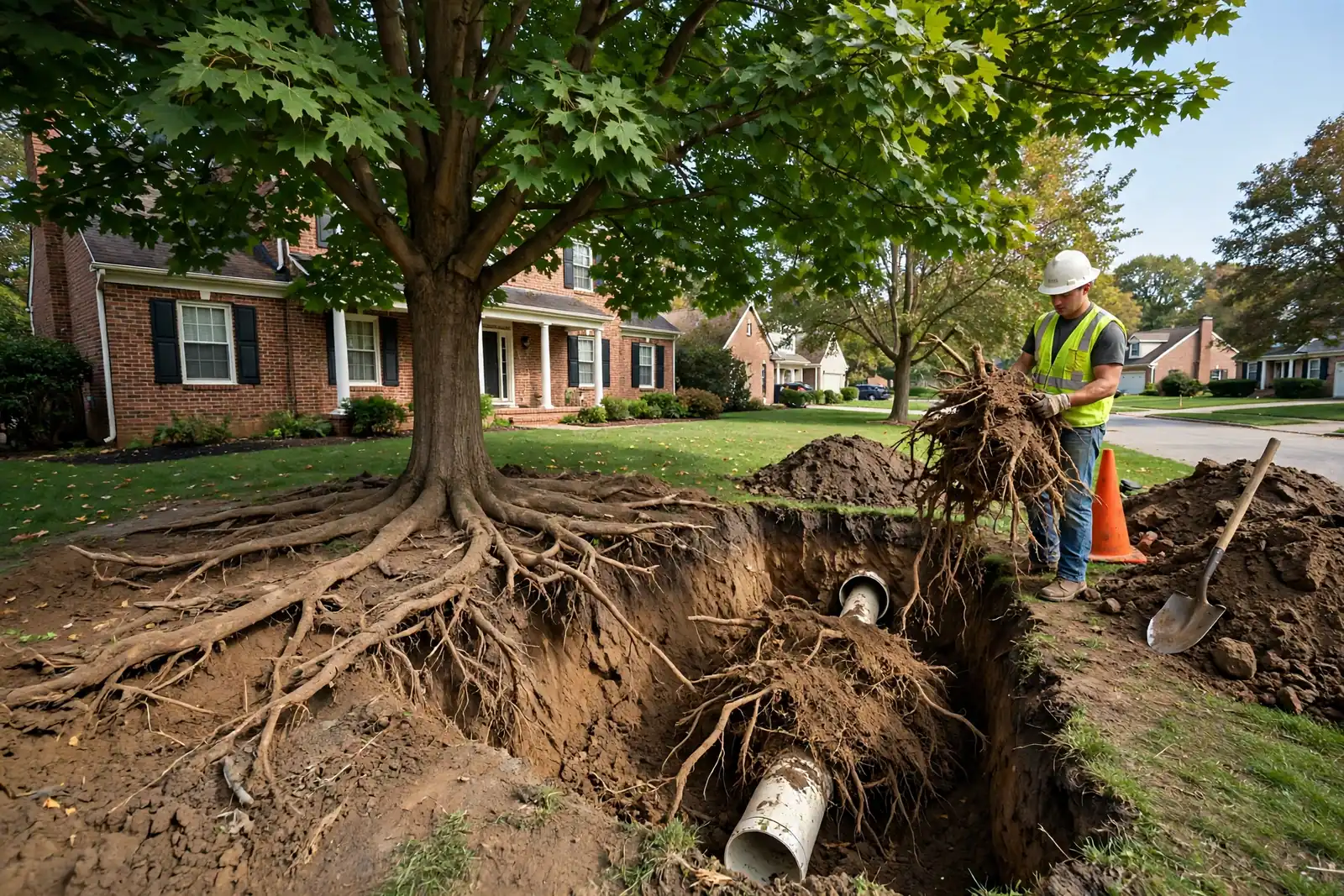
Parma's streets are lined with mature maples and oaks, planted when the city's postwar homes were built. A tree that was planted in 1958 is now a large tree with a root system that reaches the lateral under the front yard — and sometimes across the sidewalk to the street. The roots do not need to be under the house. A tree in the front yard, or even a street tree, can reach a lateral that runs to the main.
The laterals those roots reach are clay tile, laid in short sections joined with mortar. Over decades, the mortar crumbles and the ground shifts the sections apart, and a joint that has opened even slightly leaks a little moisture and nutrients into the soil. A root follows that moisture straight to the opening. The root does not break into a sound pipe — it finds a joint that has already opened.
Once inside, the root grows. A single fine root becomes a mat, and the mat catches paper and waste until the line slows or blocks. The line is cleaned, the mat is cut out, and the roots grow back — because the joint is still open, and the tree is still there. The cycle repeats until the pipe itself is fixed. The tree is doing what trees do. The pipe is the part that has failed.
What to do first
If the line is backing up, stop using water in the house — no taps, no flushing, no washing machine or dishwasher — keep people and pets away from any wastewater, and call for help. The urgent work is to clear the line and restore flow, so the house can be used again. A cable machine with a cutting head clears the root mat, and a hydro jetter scours the pipe afterwards.
If the line is slow but not backing up, the same step applies: have the line cleared, and then have it camera-inspected. The camera is the step that matters, because it shows how many joints are involved. Roots at one joint are a local problem. Roots at many joints mean the whole line has opened with age, and the fix is larger than a cleaning.
Do not use chemical root killers as a fix. They can kill the roots inside the pipe for a time, but they do not repair the joints, and they do not stop the roots from growing back. They are not a fix for a failed line, and they can make the work harder for the crew that follows. The fix is in the pipe, not in a bottle.
How the line is fixed for good
The lasting fix depends on the camera findings. A single root entry with good pipe elsewhere is a candidate for a spot repair — the failed section is replaced, and the joint is gone. Roots at several joints may be a candidate for lining, which seals every joint at once with a jointless new pipe inside the old one. Roots at many joints, with the line badly damaged, mean a full replacement by bursting or open trench.
Lining is a strong answer for a root problem, because a cured liner has no joints at all. Roots cannot enter through joints, because the lined pipe has none. The camera inspection decides whether the line is round and continuous enough to hold a liner — a collapsed section or a deep belly cannot be lined, and needs a dig or a burst instead.
Bursting is the answer where the line is badly damaged or undersized. The bursting head breaks the old pipe outward and pulls a new pipe into the same path, with sealed joints and a smooth interior. The new pipe has no openings for roots to find, whatever grows above it. And removing the tree is rarely the answer — a street tree belongs to the city, and a neighbour's tree belongs to the neighbour. The fix is in the pipe.
How to keep roots out of a new line
A new pipe with sealed joints has no openings for roots to find. That is the whole point of the replacement: the joints that failed are gone, and the new line is continuous, with sealed connections at the house and at the street main. The finished line is camera-checked before the job is called done, confirming the new pipe is clear and the joints are sealed.
The trees above the line do not need to go. A new PVC or HDPE lateral, or a cured liner, is not vulnerable to roots the way a clay tile line was — the roots can press against the pipe, but they cannot enter it, because there is no opening to enter through. The tree keeps growing, and the line keeps draining.
One caution: a new line should not be planted over. A tree planted directly above a lateral will send roots toward it, and while the new pipe resists them, the roots can still disturb the soil around the line. The crew explains where the line runs when the replacement is done, so the homeowner knows where not to plant the next tree.
When to act, and when to watch
Act now if the line is backing up, or if it has been cleaned for roots more than once and the problem keeps coming back. A root problem that returns after every cleaning is a line problem, and the camera inspection is the step that shows how many joints are involved. The longer the cycle runs, the further the joints open, and the more the line fails.
Watch — and inspect — if the line has been cleaned once and the camera shows only one or two joints involved. A spot repair may be enough, and the rest of the line may have years of life left. But watch it: a clay lateral from the 1950s has many joints at the same age, and the next joint may fail soon after the last one is fixed. A camera inspection every few years shows the condition of the line while it is still working.
The worst time to find out about roots is during a backup. The right time is a camera inspection — before a purchase, after a cleaning, or when the drains start slowing. The inspection turns a repeating problem into a decision made from evidence, and the decision is about the pipe, not the tree.
Why roots keep coming back
Roots keep coming back because the conditions that let them in do not change when the roots are cut. A root enters a lateral through an open joint, drawn by the moisture and nutrients inside the pipe. Cutting the root removes the blockage, but the joint stays open, and the tree is still there, still growing, still sending roots toward the moisture. The next growth season brings the roots back through the same joint.
The speed of regrowth depends on the tree and the joint. A large tree near the line can send roots back into a cleared joint within a season or two. Several open joints mean several entry points, and the line can block again faster than a homeowner expects. Chemical root treatments slow the regrowth, but they do not close the joint, and they have to be repeated. The only lasting fix for a joint that keeps admitting roots is to remove the joint — by replacing the pipe or lining it.
That is why the camera inspection matters after a root clearing. It shows how many joints are open, not just the one that blocked. A line with one open joint and a small tree nearby may be manageable with regular cleaning. A line with open joints along its length and a mature maple over it will keep blocking, and each clearing buys less time than the last. The footage decides whether the line needs maintenance or replacement.
Related: Tree Root Intrusion · Sewer Line Replacement · sewer line replacement in Parma
Related guides
 Guides
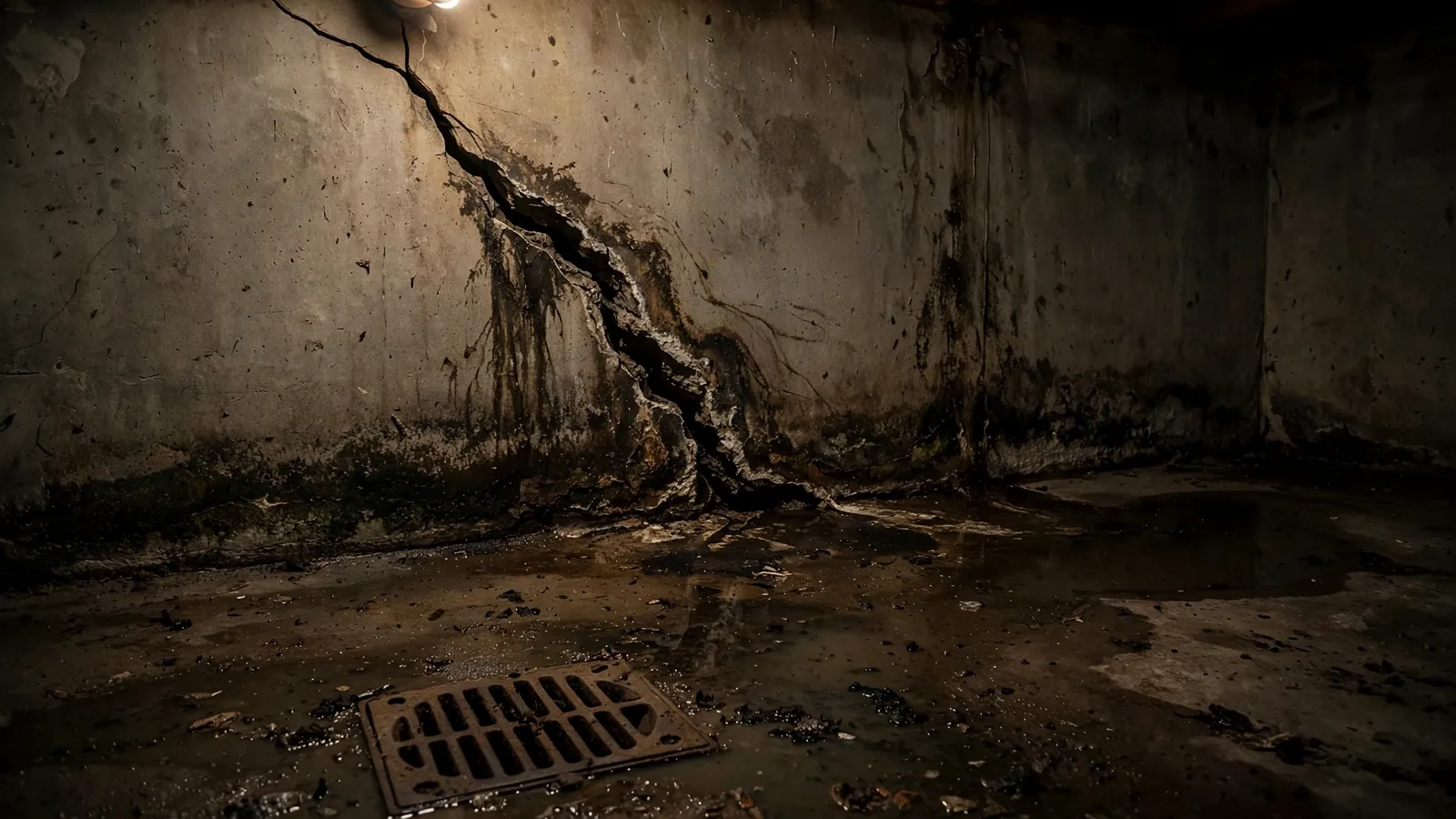
Signs You Need Sewer Line Replacement in Parma, OH
Most Parma laterals are past the age clay tile was made to last. These are the signs that yours is failing — and what a camera inspection shows.
 Guides
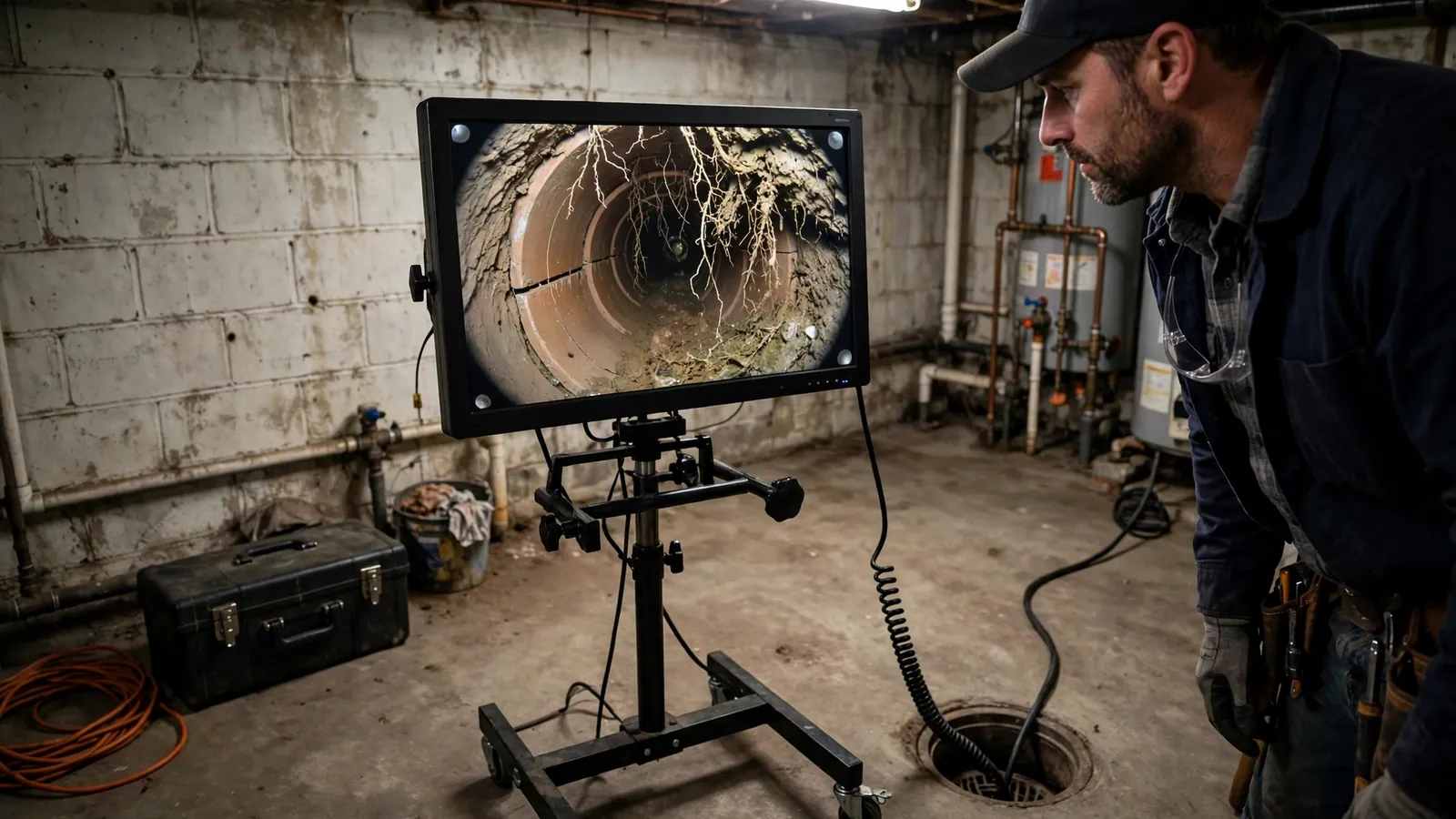
Sewer Camera Inspection: What It Shows in Parma, OH
A camera inspection shows the inside of your lateral — the material, the damage, and the location — so the fix matches the problem instead of the guess.
 Comparisons
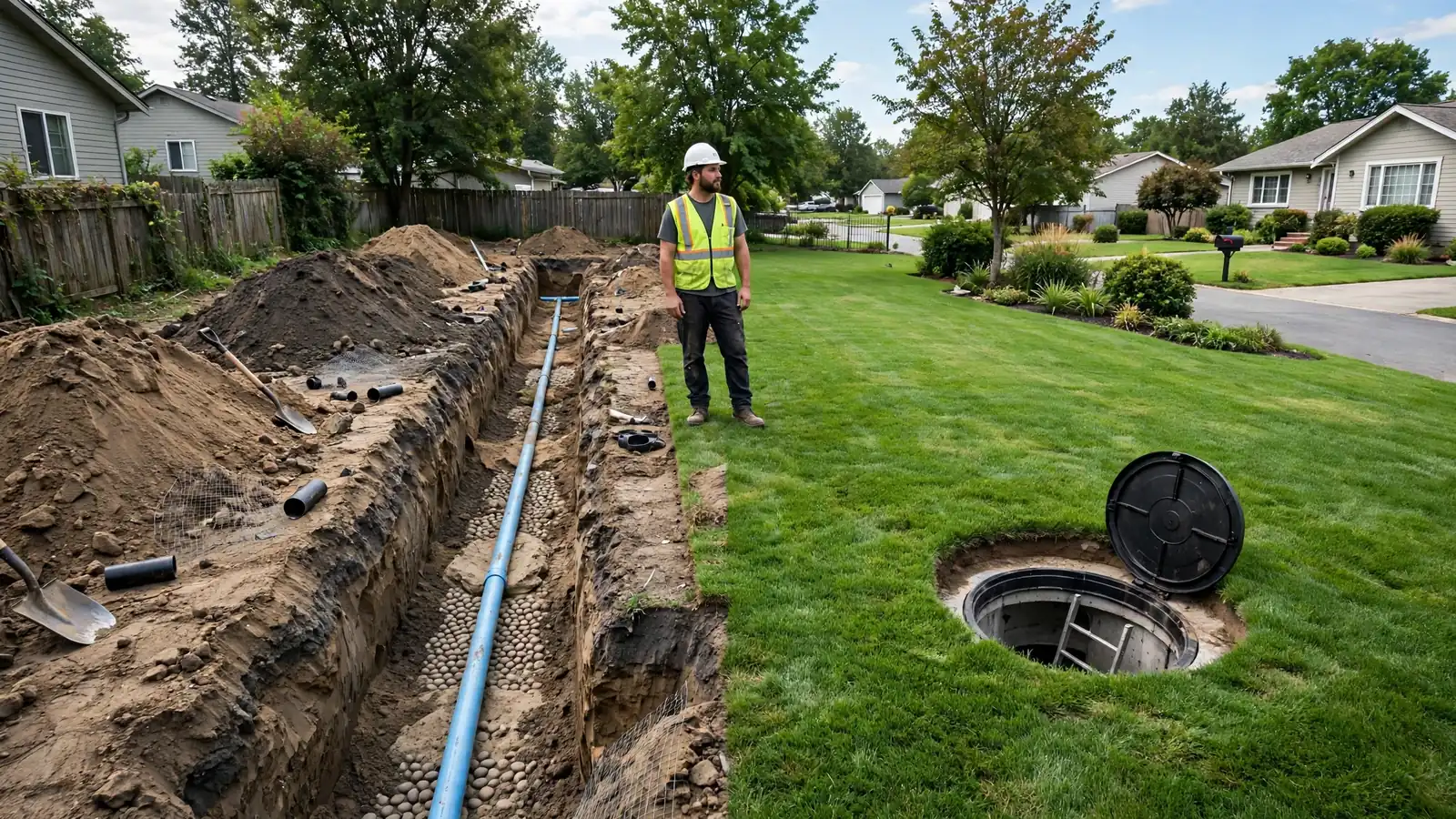
Trenchless vs Traditional Sewer Replacement in Parma, OH
Trenchless replacement leaves the yard intact. Traditional replacement digs a trench along the line. Which one fits your lateral depends on the camera findings.
Frequently asked questions
Questions people ask about this topic, answered plainly.
Cutting clears the line and restores flow, but it does not fix the joint the roots entered through. The roots will grow back, because the joint is still open and the tree is still there. The lasting fix is in the pipe — a spot repair, lining, bursting, or replacement.
Usually not. The tree is doing what trees do, and the pipe is the part that has failed. A new pipe with sealed joints has no openings for roots to find, whatever grows above it. And a street tree belongs to the city, not the homeowner.
They can kill the roots inside the pipe for a time, but they do not repair the joints, and they do not stop the roots from growing back. They are not a fix for a failed line, and they can make the work harder for the crew that follows.
A camera inspection shows it. The camera runs the full line to the street main, and the operator sees every joint and every root entry. Roots at one joint are a local problem; roots at many joints mean the whole line has opened with age.
Yes, where the line can be lined. A cured liner is a jointless pipe inside the old one, with no seams for roots to enter. The camera inspection decides whether the line is round and continuous enough to hold a liner.
The line needs a camera inspection, not another cleaning. A root problem that returns after every cleaning is a line problem — the joints have opened, and the fix is in the pipe. The camera shows how many joints are involved and which lasting fix fits.
Still have questions?
Call Now to reach a local sewer professional — describe the problem and what the line has been doing.
Call now for sewer line help
Tap Call Now to reach a local sewer professional. Tell them where the problem is, what the line has been doing, and whether wastewater is coming into the home.
Hours: Mon–Fri 7:00 AM–10:00 PM ET · Sat 8:00 AM–10:00 PM ET · Sun 7:00 AM–9:00 PM ET
Before you call
- Stop using water if the line is backing up.
- Keep people and pets away from any wastewater.
- Note which drains are slow, and which one backs up first.
- Note whether the problem happens in heavy rain, or all the time.
- Have the age of the home ready, if you know it.