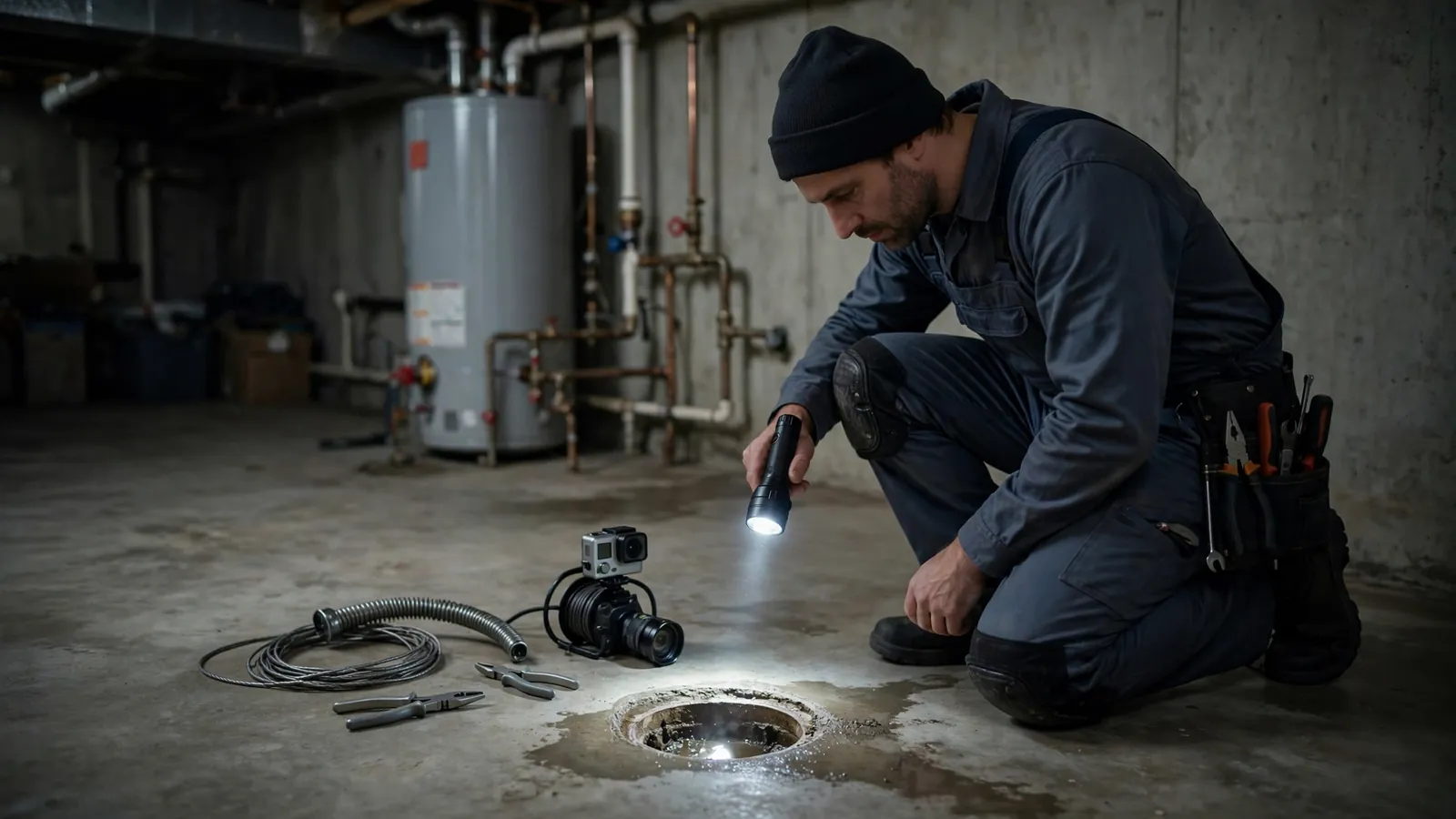
Sewer Odors in Home Parma, OH
A sewer smell in the home is a symptom, not a problem on its own — and the source is usually a dry trap, a cracked pipe, or a line that is backing up.
Need help with your sewer line?
Call Now to reach a local sewer professional. Describe the problem, where it is, and what the line has been doing.
Hours: Mon–Fri 7:00 AM–10:00 PM ET · Sat 8:00 AM–10:00 PM ET · Sun 7:00 AM–9:00 PM ET
What causes sewer odors
The most common cause of a sewer smell is a dry trap. Every drain has a trap — a U-shaped section that holds water and blocks sewer gas from coming up into the house. A trap in a drain that is rarely used — a basement floor drain, a guest bathroom, a laundry sink — can dry out, and the gas comes through. Running water into the drain refills the trap, and the smell stops. That is the first thing to check, and the simplest fix.
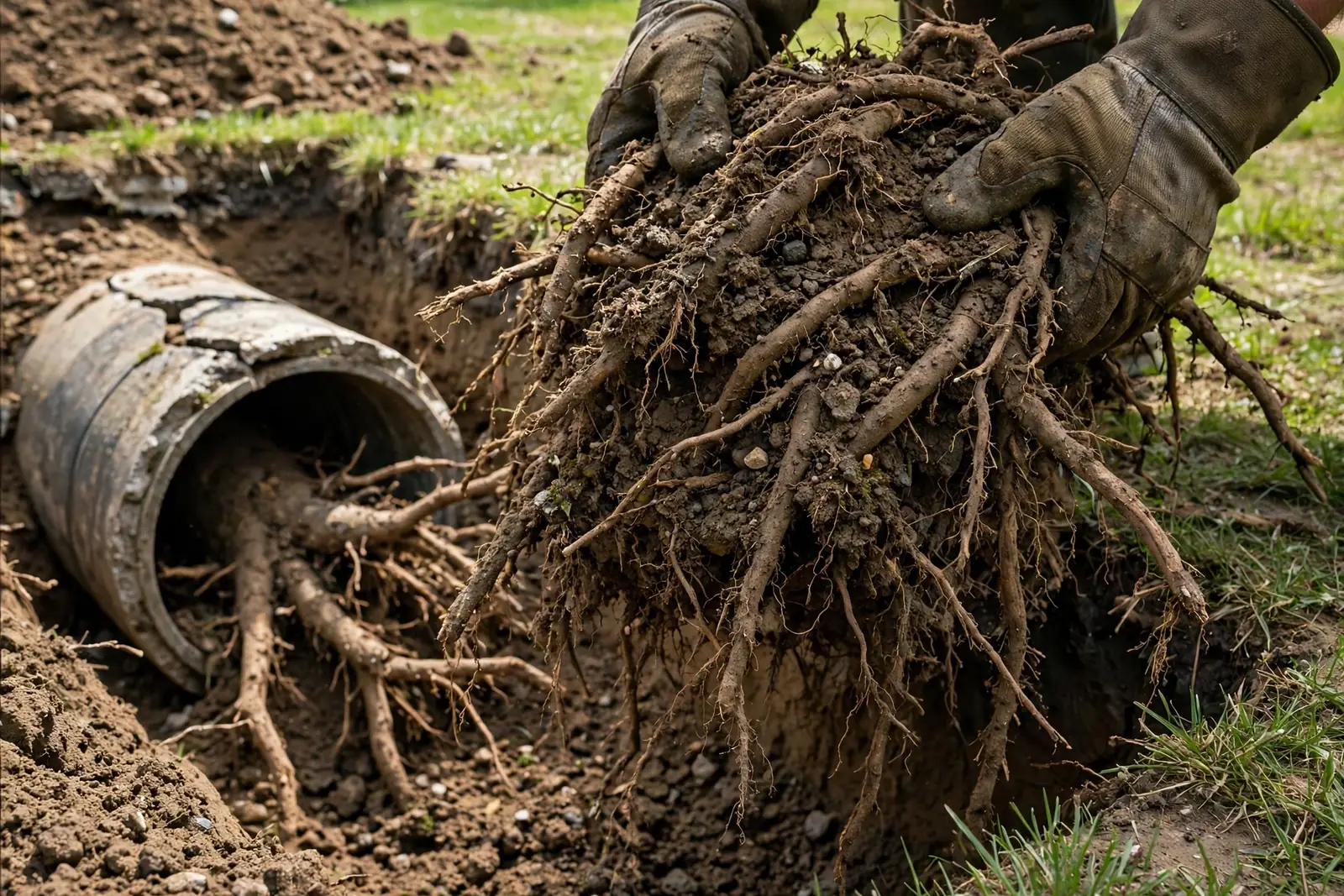
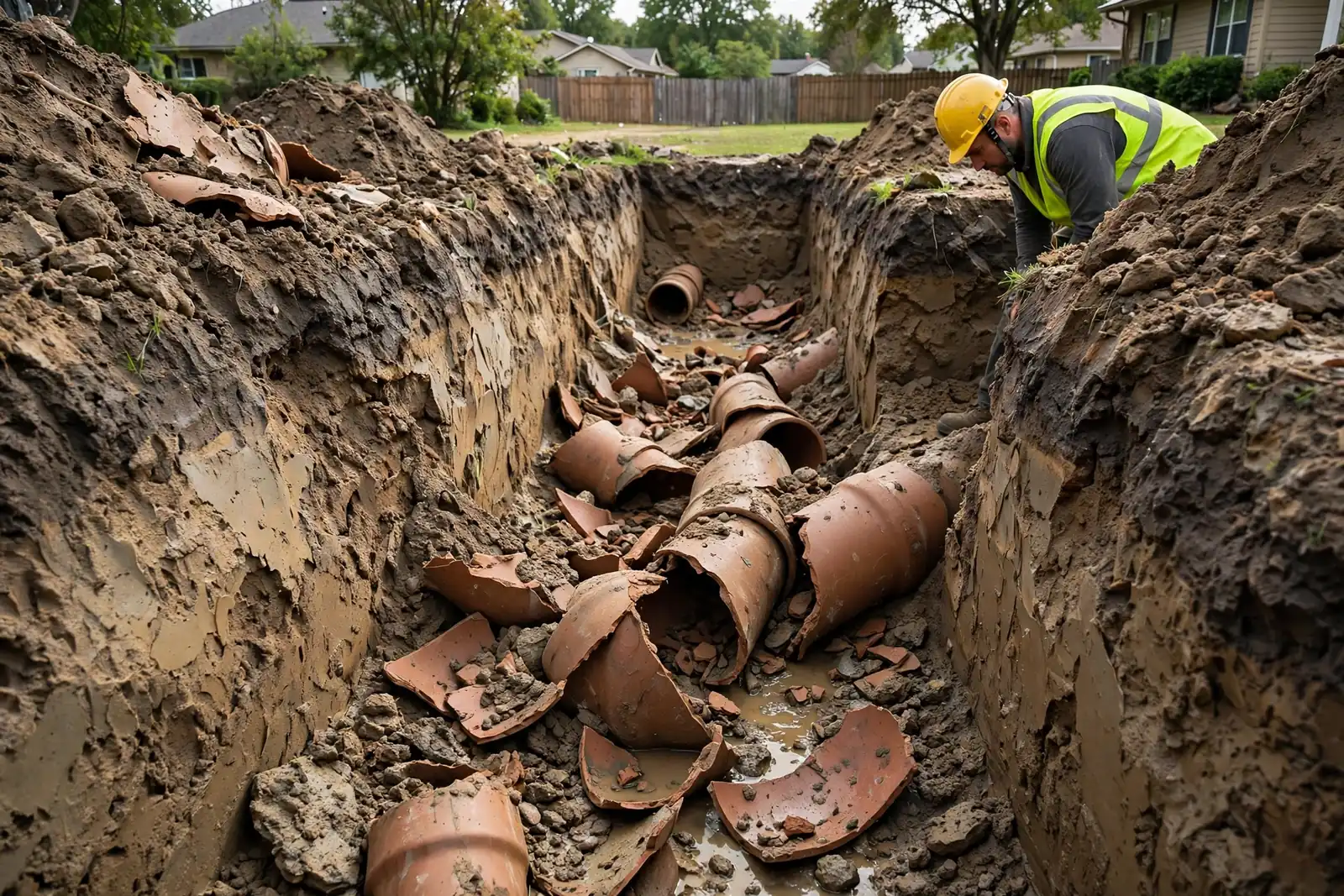
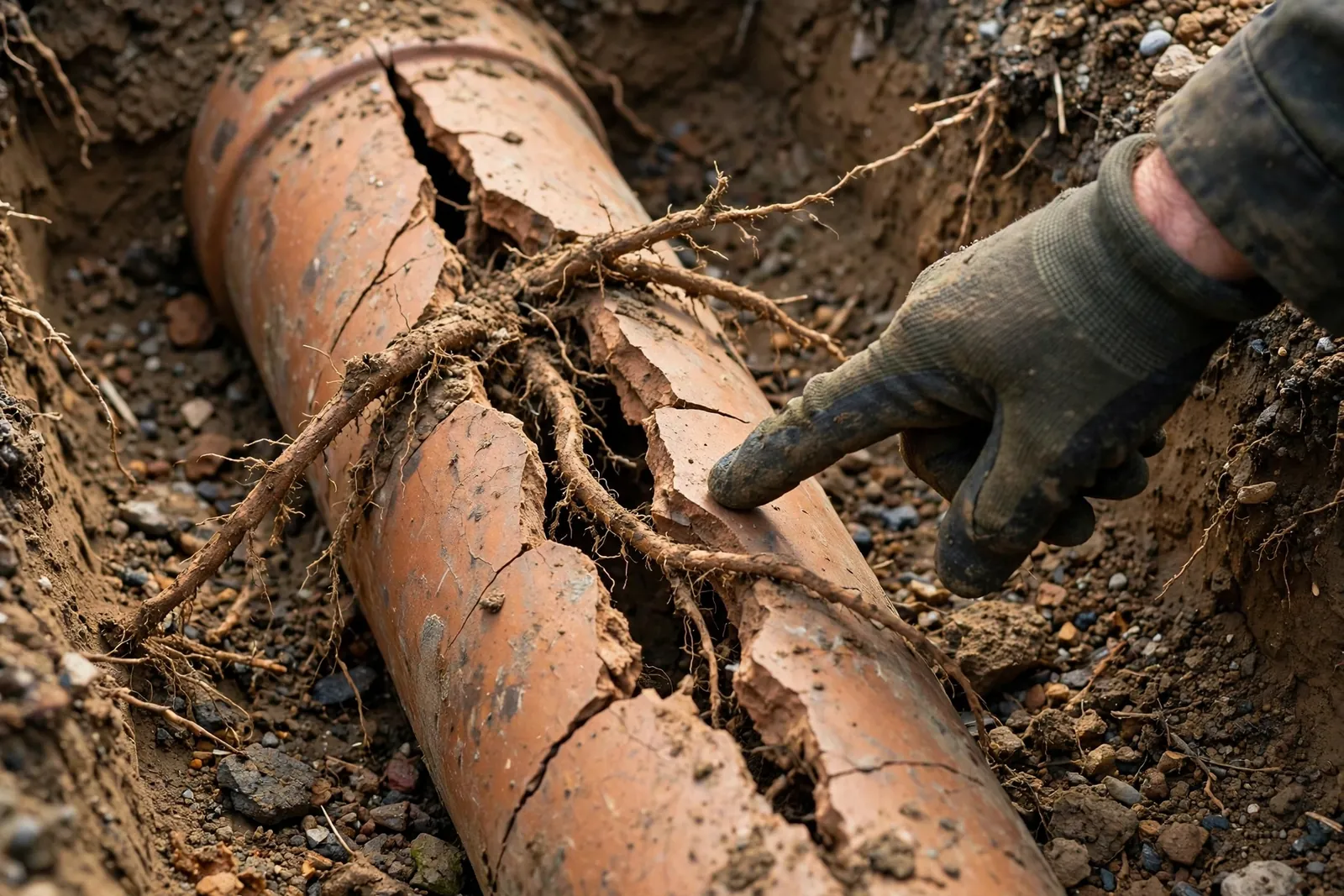
The second cause is a cracked or broken pipe. A crack in the lateral, or in a drain line inside the house, lets sewer gas out — and the smell appears near the crack, in the basement, or in a wall. A camera inspection shows a crack in the lateral; a smell inside a wall points to a drain line that needs a plumber's look.
The third cause is a line that is backing up. A lateral that is partly blocked or bellied can push sewer gas back into the house, especially when water is used elsewhere. The smell comes and goes with water use — strong after a shower or a load of laundry, faint at other times. A camera inspection shows whether the line is the cause.
How to find the source
Start with the traps. Run water into every drain in the house — especially the basement floor drain and any drain that is rarely used — and see if the smell stops. If it does, the trap was dry, and the fix is to keep water in it. A floor drain that dries out regularly may need attention, but the first step is water.
If the smell persists, note where it is strongest and when it appears. A smell that is strongest at the basement floor drain points to the lateral. A smell that is strongest in one bathroom points to that bathroom's drain. A smell that appears when water is used elsewhere points to a line that is backing up or a vent that is blocked.
A camera inspection is the step that finds a lateral problem. The camera shows cracks, open joints, and bellies — and whether the line is clear to the street main. A smell with no lateral problem points to the indoor drains or the vent system, and the crew explains what the camera ruled out.
When odors mean the line needs work
A smell that returns after the traps are filled, and that is strongest at the lowest drain in the house, usually means the lateral. A cracked section lets gas out, and a bellied or partly blocked line pushes gas back. The camera shows which one it is, and the fix follows from the findings — a spot repair, lining, bursting, or full replacement.
A smell that comes with slow drains or backups is a stronger sign. The lateral is failing, and the smell is one symptom among several. The camera inspection is the step that shows the condition of the line, and the repair is planned from what it found.
A smell that appears only in heavy rain points toward the street side — a surcharged main or a shared common-trench sewer pushing gas and water back. The camera shows whether the lateral is clear to the main, and the findings separate a lateral problem from a street-side one.
What to do now
- Run water into every drain in the house, especially the basement floor drain and any rarely used drain.
- Note where the smell is strongest, and when it appears.
- Call for help and describe the smell — where it is, when it started, and whether the drains are slow.
- Have the line camera-inspected if the smell persists after the traps are filled.
- Do not ignore a smell that comes with a backup — that is a line problem, not a trap problem.
What causes it
Dry traps
A trap in a rarely used drain dries out, and sewer gas comes up into the house. Running water refills it.
Cracked pipe
A crack in the lateral or an indoor drain lets sewer gas out near the crack.
A backing-up line
A partly blocked or bellied lateral pushes sewer gas back into the house when water is used.
Blocked vent
A vent blocked by debris or ice can push sewer gas back through the drains instead of out the roof.
Signs of this problem
- A sewer smell from a floor drain, a basement corner, or a bathroom.
- The smell is strongest at the lowest drain in the house.
- The smell comes and goes with water use — strong after a shower or a laundry load.
- The smell persists after running water into every drain.
- The smell appears with slow drains or backups.
- The smell appears only in heavy rain.
Related service: Sewer Line Replacement
Related guide: Sewer Backup in Basement: First Steps
Related service: Sewer Backup Repair
Other sewer line problems
Frequently asked questions
Questions people ask about sewer odors in home, answered plainly.
The usual causes are a dry trap in a rarely used drain, a cracked pipe letting gas out, or a lateral that is backing up and pushing gas back. Running water into every drain is the first check — if the smell stops, the trap was dry.
Yes. A basement floor drain that is rarely used can dry out, and sewer gas comes up through it. Running water into the drain refills the trap, and the smell stops. A floor drain that dries out regularly may need attention, but water is the first step.
Not always. A dry trap is the most common cause, and it is a simple fix. A smell that persists after the traps are filled, and that is strongest at the lowest drain, points to the lateral — and a camera inspection shows whether the line is cracked, bellied, or backing up.
Sewer gas is unpleasant and, in high concentrations, it can be a health concern. A persistent sewer smell in the home should be checked, not ignored — especially if it comes with a backup or with headaches or nausea. Ventilate the area and call for help.
Yes, where the source is in the lateral. The camera shows cracks, open joints, and bellies — and whether the line is clear to the street main. A smell with no lateral problem points to the indoor drains or the vent system.
A smell that appears only in heavy rain points toward the street side — a surcharged main or a shared common-trench sewer pushing gas and water back. The camera shows whether the lateral is clear to the main, and the findings separate a lateral problem from a street-side one.
Dealing with this problem now?
Call Now to reach a local sewer professional. Describe the problem, where it is, and what the line has been doing.
Call now for sewer line help
Tap Call Now to reach a local sewer professional. Tell them where the problem is, what the line has been doing, and whether wastewater is coming into the home.
Hours: Mon–Fri 7:00 AM–10:00 PM ET · Sat 8:00 AM–10:00 PM ET · Sun 7:00 AM–9:00 PM ET
Before you call
- Stop using water if the line is backing up.
- Keep people and pets away from any wastewater.
- Note which drains are slow, and which one backs up first.
- Note whether the problem happens in heavy rain, or all the time.
- Have the age of the home ready, if you know it.